
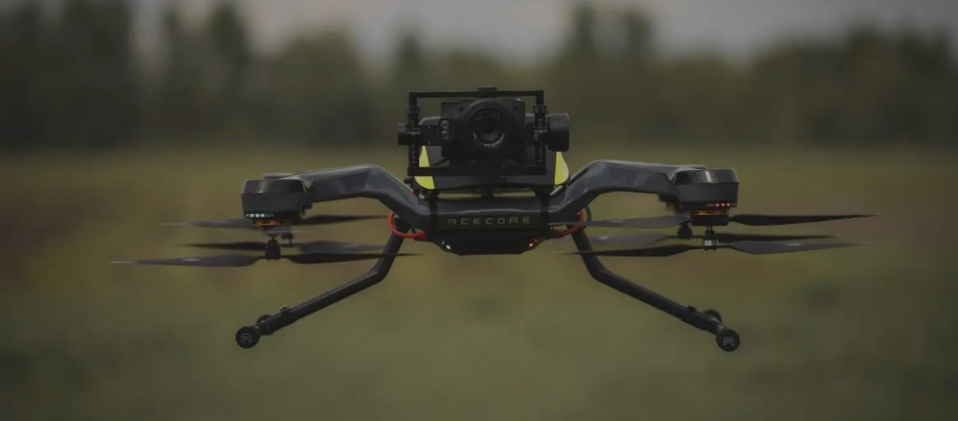
In recent years, the evolution of drone technology has dramatically expanded the capabilities of unmanned aerial vehicles (UAVs), especially in industrial sectors. Among the most significant advancements are heavy-lift drones, which have revolutionized the way industries approach complex tasks requiring the transportation of substantial payloads. These innovations are enabling companies to improve efficiency, reduce risk, and achieve previously unattainable operational goals. Many businesses are now integrating heavy-lift drone solutions into their workflows to enhance productivity and safety across various applications.
Capabilities and Advantages of Heavy-Lift Drones
Heavy-lift drones are designed to carry payloads far beyond the scope of traditional commercial drones, sometimes exceeding hundreds of kilograms. This capability opens up numerous industrial applications, such as transporting construction materials, delivering emergency supplies, or deploying large sensors for environmental monitoring. The advantages of utilizing heavy-lift drones include:
- Increased payload capacity: Ability to carry heavier and bulkier equipment or materials.
- Enhanced operational range: Extended flight times and distances compared to smaller drones.
- Improved safety: Reducing the need for manual heavy lifting in hazardous environments.
- Cost efficiency: Lower operational costs versus traditional heavy machinery and manned aircraft.
- Rapid deployment: Quick mobilization in remote or difficult-to-access locations.
Industrial Sectors Benefiting from Heavy-Lift Drones
Several industries have embraced heavy-lift drones to optimize their operations. Some of the most prominent sectors include:
- Construction and Infrastructure: Transporting building materials, lifting tools, and aiding in site inspections.
- Energy and Utilities: Supporting drone utility inspection, including power lines, wind turbines, and pipelines.
- Emergency Response and Disaster Relief: Delivering critical supplies and equipment to inaccessible areas.
- Environmental Monitoring: Deploying large sensors and surveillance drone systems for wildlife tracking and ecosystem assessments.
- Security and Surveillance: Enhancing drone security operations with the ability to carry advanced cameras and communication equipment.
Distinguishing UAVs from Drones in Industrial Contexts
While the terms UAV and drone are often used interchangeably, understanding their nuances is important in industrial applications. UAVs typically refer to any unmanned vehicle controlled remotely or autonomously, primarily emphasizing aerial vehicles used in military or specialized contexts. Drones, on the other hand, have become a broader term encompassing commercial and recreational unmanned vehicles.
In industrial sectors, the distinction matters when selecting equipment for specific tasks such as drone inspection or security. Heavy-lift drone solutions are purpose-built to meet commercial drones’ rigorous demands, combining payload capacity with advanced flight control systems to deliver reliable performance.
Innovations Driving Heavy-Lift Drone Development
Technological advancements continue to push the boundaries of what heavy-lift drones can achieve. Companies like acecoretechnologies.com are at the forefront of developing cutting-edge platforms that integrate modular payload options, AI-powered navigation, and robust safety features. These improvements facilitate more precise drone utility inspection and enable operators to deploy drones in complex, dynamic environments with greater confidence.
Moreover, ongoing research into battery technology, lightweight composite materials, and propulsion systems is expected to further enhance flight duration and payload capacities, expanding the potential applications of heavy-lift drones even further.
Integrating Heavy-Lift Drones into Industrial Workflows
For industries aiming to adopt heavy-lift drones successfully, several best practices should be considered:
- Assess operational requirements: Identify specific payload needs, flight duration, and environmental conditions.
- Choose specialized solutions: Partner with providers offering tailored heavy-lift drone solutions with appropriate certifications.
- Train skilled operators: Ensure personnel are proficient in drone piloting, maintenance, and safety protocols.
- Implement regulatory compliance: Adhere to aviation rules and obtain necessary permissions for commercial drone operations.
- Incorporate data management: Utilize drone data analytics for actionable insights, particularly in drone inspection and security tasks.
Unlocking New Potentials with Heavy-Lift Drones
As heavy-lift drones continue to evolve, their influence across industrial sectors will only deepen. By combining superior payload capabilities with advanced technology, these drones are transforming traditional workflows and enabling innovative approaches to long-standing challenges. From enhancing drone utility inspection to expanding the scope of surveillance drone applications, heavy-lift drones represent a critical toolset for the future of industrial operations.